
作者:英)夏洛蒂·勃朗特(CharlotteB
页数:480
出版社:国际文化出版公司
出版日期:2020
ISBN:9787512511385
电子书格式:pdf/epub/txt
内容简介
作品讲述一位从小变成孤儿的英国女子在各种磨难中不断追求自由与尊严,坚持自我,很终获得幸福的故事。小说引人入胜地展示了男女主人公曲折起伏的爱情经历,歌颂了摆脱一切旧习俗和偏见,成功塑造了一个敢于反抗,敢于争取自由和平等地位的妇女形象。
作者简介
夏洛蒂·勃朗特(Charlotte Bronte,1816-1855年),英国小说家,生于贫苦的牧师家庭,曾在寄宿学校学习,后任教师和家庭教师。1847年,夏洛蒂·勃朗特出版著名的长篇小说《简·爱》,轰动文坛。
本书特色
如果上帝赐予我财富和美貌,我会使你难于离开我,就像现在我难于离开你。生命太短暂了,不应该用来记恨。人生在世,谁都会有错误,但我们很快会死去。我们的罪过将会随我们的身体一起消失,只留下精神的火花。
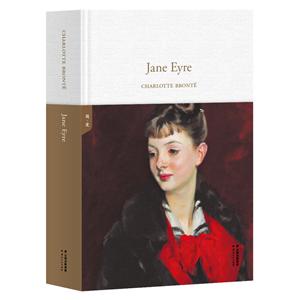
原汁原味的阅读体验精心挑选的书目(5个不同的女性,5种不一样的人生闪烁着人性的光辉,任何时候都能给你启发,常读常新)提高英语阅读水平的最佳读物现代油画的封面,体现古典与时尚的结合。
精心设计的开本,便于携带和阅读。
“《简·爱》与《名利场》受到同样广泛的欢迎。乔治·艾略特则深深地被《简·爱》陶醉了”。——《评论季刊》“《简·爱》充满生气勃勃的个性”——欧仁·福萨德小说中男女主人公诗歌般的抒情的对话令人陶醉。
《简爱》是英国文学的传世经典,,它成功地塑造了英国文学史中第一个对爱情、生活、社会以及宗教都采取了独立自主的积极进取态度和敢于斗争、敢于争取自由平等地位的女性形象,体现了所有平凡而有强烈的精神追求的女性的梦想。
目录
CONTENTS
PREFACE
Chapter I
Chapter I
Chapter III
Chapter IV.
Chapter V
Chapter V
Chapter VII
Chapter VIII
Chapter IX
Chapter X
Chapter X
Chapter XII
Chapter XII
Chapter XIV
Chapter XV
Chapter XV
Chapter XVII
Chapter XVII
Chapter XIX.
Chapter XX
Chapter XX
Chapter XXII
Chapter XXIII
Chapter XXIV
Chapter XXV
Chapter XXV
Chapter XXVII
Chapter XXVII
Chapter XXIX.
Chapter XXX
Chapter XXXI
Chapter XXXII
Chapter XXXII
Chapter XXXIV
Chapter XXXV
Chapter XXXVI
Chapter XXXVII
Chapter XXXVIII
CONCLUSION
节选
HERE was no possibility of taking a walk that day. We had been wandering, indeed, in the leafless shrubbery an hour in the morning; but since dinner (Mrs. Reed, when there was no company, dined early) the cold winter wind had brought with it clouds so sombre, and a rain so penetrating, that further out-door exercise was now out of the question.
I was glad of it: I never liked long walks, especially on chilly afternoons: dreadful to me was the coming home in the raw twilight, with nipped fingers and toes, and a heart saddened by the chidings of Bessie, the nurse, and humbled by the consciousness of my physical inferiority to Eliza, John, and Georgiana Reed.
The said Eliza, John, and Georgiana were now clustered round their mama in the drawing-room: she lay reclined on a sofa by the fireside, and with her darlings about her (for the time neither quarrelling nor crying) looked perfectly happy. Me, she had dispensed from joining the group; saying, “She regretted to be under the necessity of keeping me at a distance; but that until she heard from Bessie, and could discover by her own observation, that I was endeavouring in good earnest to acquire a more sociable and childlike disposition, a more attractive and sprightly manner—something lighter, franker, more natural, as it were—she really must exclude me from privileges intended only for contented, happy, little children.”
“What does Bessie say I have done?” I asked.
“Jane, I don’t like cavillers or questioners; besides, there is something truly forbidding in a child taking up her elders in that manner. Be seated somewhere; and until you can speak pleasantly, remain silent.”
A breakfast-room adjoined the drawing-room, I slipped in there. It contained a bookcase: I soon possessed myself of a volume, taking care that it should be one stored with pictures. I mounted into the window-seat: gathering up my feet, I sat cross-legged, like a Turk; and, having drawn the red moreen curtain nearly close, I was shrined in double retirement.
Folds of scarlet drapery shut in my view to the right hand; to the left were the clear panes of glass, protecting, but not separating me from the drear November day. At intervals, while turning over the leaves of my book, I studied the aspect of that winter afternoon. Afar, it offered a pale blank of mist and cloud; near a scene of wet lawn and storm-beat shrub, with ceaseless rain sweeping away wildly before a long and lamentable blast.
I returned to my book—Bewick’s History of British Birds: the letterpress thereof I cared little for, generally speaking; and yet there were certain introductory pages that, child as I was, I could not pass quite as a blank. They were those which treat of the haunts of sea-fowl; of “the solitary rocks and promontories” by them only inhabited; of the coast of Norway, studded with isles from its southern extremity, the Lindeness, or Naze, to the North Cape— “Where the Northern Ocean, in vast
whirls,
Boils round the naked, melancholy isles
Of farthest Thule; and the Atlantic surge
Pours in among the stormy Hebrides.”
HERE was no possibility of taking a walk that day. We had been wandering, indeed, in the leafless shrubbery an hour in the morning; but since dinner (Mrs. Reed, when there was no company, dined early) the cold winter wind had brought with it clouds so sombre, and a rain so penetrating, that further out-door exercise was now out of the question.
I was glad of it: I never liked long walks, especially on chilly afternoons: dreadful to me was the coming home in the raw twilight, with nipped fingers and toes, and a heart saddened by the chidings of Bessie, the nurse, and humbled by the consciousness of my physical inferiority to Eliza, John, and Georgiana Reed.
The said Eliza, John, and Georgiana were now clustered round their mama in the drawing-room: she lay reclined on a sofa by the fireside, and with her darlings about her (for the time neither quarrelling nor crying) looked perfectly happy. Me, she had dispensed from joining the group; saying, “She regretted to be under the necessity of keeping me at a distance; but that until she heard from Bessie, and could discover by her own observation, that I was endeavouring in good earnest to acquire a more sociable and childlike disposition, a more attractive and sprightly manner—something lighter, franker, more natural, as it were—she really must exclude me from privileges intended only for contented, happy, little children.”
“What does Bessie say I have done?” I asked.
“Jane, I don’t like cavillers or questioners; besides, there is something truly forbidding in a child taking up her elders in that manner. Be seated somewhere; and until you can speak pleasantly, remain silent.”
A breakfast-room adjoined the drawing-room, I slipped in there. It contained a bookcase: I soon possessed myself of a volume, taking care that it should be one stored with pictures. I mounted into the window-seat: gathering up my feet, I sat cross-legged, like a Turk; and, having drawn the red moreen curtain nearly close, I was shrined in double retirement.
Folds of scarlet drapery shut in my view to the right hand; to the left were the clear panes of glass, protecting, but not separating me from the drear November day. At intervals, while turning over the leaves of my book, I studied the aspect of that winter afternoon. Afar, it offered a pale blank of mist and cloud; near a scene of wet lawn and storm-beat shrub, with ceaseless rain sweeping away wildly before a long and lamentable blast.
I returned to my book—Bewick’s History of British Birds: the letterpress thereof I cared little for, generally speaking; and yet there were certain introductory pages that, child as I was, I could not pass quite as a blank. They were those which treat of the haunts of sea-fowl; of “the solitary rocks and promontories” by them only inhabited; of the coast of Norway, studded with isles from its southern extremity, the Lindeness, or Naze, to the North Cape— “Where the Northern Ocean, in vast
whirls,
Boils round the naked, melancholy isles
Of farthest Thule; and the Atlantic surge
Pours in among the stormy Hebrides.”